Hedge trimming timing near Mill Hill Broadway Station NW7
If you are trying to work out the best hedge trimming timing near Mill Hill Broadway Station NW7, you are probably balancing a few things at once: keeping the garden tidy, avoiding stress to the plants, and not upsetting neighbours or blocking a path at the wrong moment. Fair enough. Timing does matter. Trim too early and new growth can get caught out by cold weather; leave it too late and the hedge starts looking shaggy, heavy, and a bit more dominant than you wanted.
This guide breaks the subject down in a straightforward way. You will see when hedge trimming usually makes sense in NW7, how the season affects different hedge types, what to avoid near busy residential streets and station-area homes, and how to plan pruning so your hedge stays healthy rather than merely shorter. We will also cover practical steps, compliance points, tools, and a real-world example, because let's face it, hedge timing sounds simple until you are standing in the garden wondering if it is the wrong week entirely.
Quick takeaway: the best hedge trimming window depends on the hedge species, its growth rate, nesting season, and how formal or natural you want it to look. A light, regular trim is usually easier to manage than one dramatic cut once or twice a year.
Table of Contents
- Why hedge trimming timing near Mill Hill Broadway Station NW7 matters
- How hedge trimming timing near Mill Hill Broadway Station NW7 works
- Key benefits and practical advantages
- Who this is for and when it makes sense
- Step-by-step guidance
- Expert tips for better results
- Common mistakes to avoid
- Tools, resources and recommendations
- Law, compliance, standards, or best practice
- Options, methods, or comparison table
- Case study or real-world example
- Practical checklist
- Conclusion
- Frequently asked questions
Why Hedge trimming timing near Mill Hill Broadway Station NW7 Matters
Hedges do more than frame a property. In NW7, they often act as boundary lines, privacy screens, windbreaks, and noise buffers, especially on busy routes and around homes that get a lot of foot traffic from the station area. If the timing is off, you can end up with a hedge that looks harsh, sparse, or patchy for months. And if the hedge is on a front boundary, you may also find visibility, access, and curb appeal all suffer at the same time. Not ideal.
The timing matters because a hedge is a living structure. It responds to pruning. Some species can take a hard cut and bounce back; others prefer careful, incremental shaping. A well-timed trim can encourage denser growth and keep the hedge narrower, while a badly timed cut can expose tender growth to frost or interrupt bird nesting. That second one is especially important in a built-up area where gardens are close together and wildlife still finds its way in.
There is also the practical side. Near Mill Hill Broadway Station NW7, people often want gardens to look maintained without becoming a weekly chore. If you choose the right trim cycle, you reduce the amount of corrective work later. That means less overgrowth, fewer awkward ladder jobs, and fewer of those moments where you look outside and think, "Right, that got away from us."
How Hedge trimming timing near Mill Hill Broadway Station NW7 Works
There is no single perfect month for every hedge. The right time depends on three things: the plant species, the growth pattern, and the result you want. Broadly, hedge trimming is planned around the hedge's active growing periods. For many common hedges, that means doing a main trim after the strongest burst of growth, then a lighter tidy-up later if needed.
In plain English, a hedge needs enough time to recover before cold weather sets in, and enough daylight and warmth to produce fresh shoots after cutting. If you cut at the wrong time, the hedge can respond with weak regrowth or uneven edges. That does not always mean disaster. Sometimes it just means slower recovery. Still annoying though.
In a local NW7 setting, you also have to think about neighbours, shared boundaries, and the look of the street. A hedge trimming schedule often becomes a mix of horticulture and common sense. For example, if a hedge sits by a front path or driveway near the station area, an early summer tidy-up may keep it neat without forcing a harsher late-season cut. If the hedge is informal and wildlife-friendly, trimming may be lighter and less frequent.
As a rule of thumb, trimming is usually easier than renovation pruning. Light, regular shaping keeps the hedge compact. Severe cutting is more stressful and should be handled much more carefully, sometimes across more than one season. That is where local judgement really helps.
Typical timing patterns by hedge type
| Hedge type | General timing approach | What to watch for |
|---|---|---|
| Evergreen formal hedges | Trim after the main flush of growth, then tidy again if needed | Keep an eye on new shoots so the shape stays even |
| Fast-growing hedges | May need more frequent light trims during the growing season | Avoid leaving them too long, or they become heavy and woody |
| Flowering hedges | Often best trimmed after flowering | Heavy pruning too early can reduce blooms |
| Wildlife-friendly hedges | Usually trimmed less often and more lightly | Check carefully for birds and nesting activity first |
The table above is intentionally broad. Species matter a lot. A laurel hedge behaves differently from box, privet, beech, or yew. If in doubt, a measured trim is usually safer than a dramatic one.
Key Benefits and Practical Advantages
Good hedge timing is not just about appearances, although that is a big part of it. Done properly, it has a few very practical advantages that people notice fast.
- Healthier regrowth: trimming at the right moment encourages steady recovery rather than stressed, uneven growth.
- Better shape retention: a hedge that is cut before it gets too heavy stays neater for longer.
- Improved privacy: a properly timed hedge keeps its density, which matters if you value screening from the street or neighbouring properties.
- Less future work: frequent small trims are easier than a big rescue job later on.
- Safer access: keeping hedges in check around paths, drives, and front gardens reduces obstruction.
- Cleaner finish: trimming in the right season usually makes the hedge look sharper, not hacked back.
There is also a subtle benefit people do not always expect: timing helps reduce plant shock. A hedge that is trimmed when it is actively growing can often recover its outline more quickly, so the garden does not look half-finished for ages. In our experience, that matters a lot to homeowners who want a tidy look without turning the hedge into a project.
Expert summary: if you remember only one thing, make it this: hedge trimming is less about the calendar alone and more about reading the hedge itself. New growth, weather, and species should all guide the decision.
Who This Is For and When It Makes Sense
This topic is relevant to quite a few people in and around Mill Hill Broadway Station NW7. You might be a homeowner trying to keep a front hedge under control. You might manage a rental property and want the boundary to look presentable between tenancies. You may simply be dealing with a hedge that has outgrown its boundaries faster than expected. Happens to the best of us.
It also makes sense for:
- busy households that prefer a maintenance routine rather than occasional major work
- property owners who want better kerb appeal
- people with privacy hedges facing roads, pavements, or shared gardens
- gardeners who want to protect flowering or wildlife-friendly species from over-pruning
- anyone comparing whether to trim now, wait, or book help
The timing question becomes especially important if your hedge affects light or access. A hedge that is just slightly too tall can shade a window and make a room feel darker in the afternoon. A hedge that spreads across a walkway can make a narrow front garden feel even tighter. Small issue, big daily annoyance.
Sometimes the answer is not "trim immediately" but "trim lightly and recheck in a few weeks." That is often the smarter move for younger hedges, freshly planted hedges, and hedges recovering from previous hard pruning.
Step-by-Step Guidance
Here is a practical way to think through hedge trimming timing near Mill Hill Broadway Station NW7 without overcomplicating it.
- Identify the hedge species. Start here. Evergreen, deciduous, flowering, and wildlife-friendly hedges each need a slightly different approach.
- Look at current growth. Are there fresh shoots, woody stems, or signs of the hedge pushing out beyond its intended line?
- Check the season. Avoid assuming that a free weekend is the right time. The plant and the weather should decide more than your diary does.
- Inspect for nesting or active wildlife. If birds are present, pause and assess carefully. A light inspection can save a lot of trouble.
- Decide whether the hedge needs shaping or reduction. Shaping is lighter. Reduction is more disruptive and may need staged work.
- Plan your cut line before starting. A straight visual line matters. Stand back often. The hedge always looks different from five metres away than it does from arm's length.
- Trim in stages if needed. Better to remove less and come back than to overcut in one pass.
- Clean up and reassess. Tidy debris, check for hidden gaps, and see if the hedge still feels balanced from the pavement or window.
If you are dealing with a hedge that has not been touched for a while, do not try to force perfection in one go. A staged approach gives the plant a chance to recover, and it usually gives you a better finish too. Not glamorous, but effective.
A simple timing test
Ask yourself three questions before you trim:
- Has the hedge finished its strongest growth for this phase?
- Will the hedge have time to recover before colder or drier conditions arrive?
- Are there nesting or access issues that make now a poor choice?
If two of the three answers are unclear, wait and reassess. A short delay is often better than a rushed cut.
Expert Tips for Better Results
Here are the small details that usually separate a tidy hedge from one that looks merely shortened.
Trim the sides slightly narrower at the top. This helps light reach the lower growth so the hedge does not become bare at the base. It is one of those simple habits that pays off over time.
Work with dry, manageable foliage where possible. Wet hedge clippings clump, the cut line is harder to read, and the job feels twice as messy. On a damp London morning, that can make the difference between a neat session and a mildly irritating one.
Use repeated light cuts rather than rare heavy ones. A hedge kept in shape with regular maintenance generally looks better and responds more evenly.
Watch the street side as well as the garden side. Around station-area properties, the visible face of the hedge matters. What looks fine from the garden can appear uneven from the pavement.
Consider species-specific growth habits. Fast growers need a different routine from slow growers. A hedge that flares out after every warm spell may need more frequent attention than you first expect.
Leave a margin if frost is likely. Freshly cut growth is more vulnerable than established foliage. If cold weather is on the way, a light trim is usually safer than a hard reshape.
And one small but honest point: hedges can hide all sorts of surprises. Twigs, bird nests, broken stems, old string, the odd forgotten tennis ball. You never know. Gardening does enjoy a little drama.
Common Mistakes to Avoid
Most hedge problems do not come from one catastrophic mistake. They come from several small ones adding up. The good news? They are all avoidable if you know what to look for.
- Trimming at the wrong seasonal point: this can slow recovery or remove important growth.
- Cutting too much at once: severe reduction can leave the hedge sparse and stressed.
- Ignoring nesting activity: always pause and check before cutting hard.
- Making the hedge wider at the top: that often shades the lower growth and creates a thin base.
- Leaving the job too long: once a hedge goes woody and bulky, restoring shape becomes harder.
- Using blunt or unsuitable tools: ragged cuts heal less neatly and make the hedge look untidy.
- Forgetting access and safety: ladders, public edges, and uneven ground need proper care.
A very common one in local gardens is waiting until the hedge is obviously out of hand and then attempting a full reset in one afternoon. Ambitious? Yes. Efficient? Not usually. A gradual correction works much better for most hedges.
Tools, Resources and Recommendations
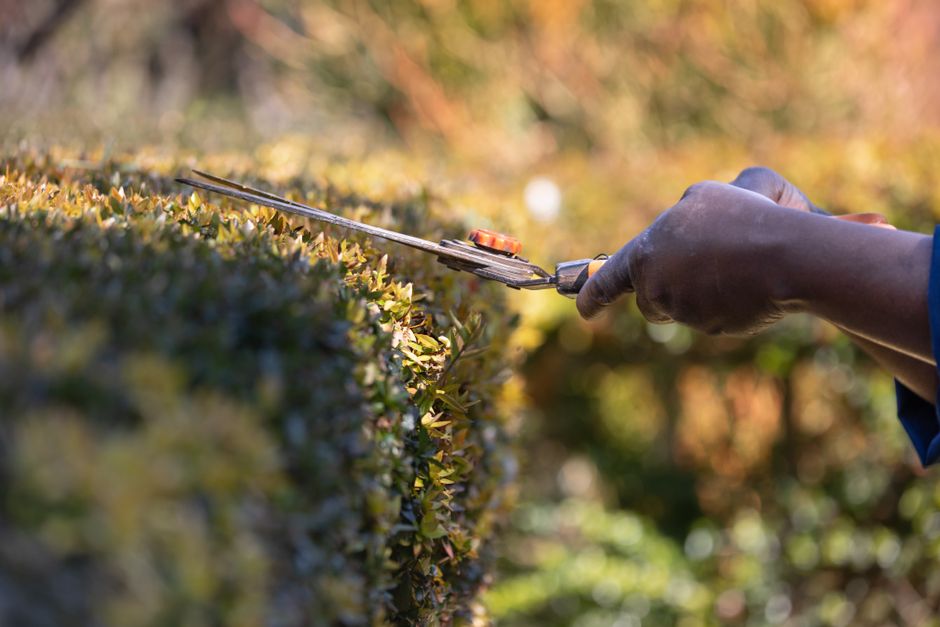
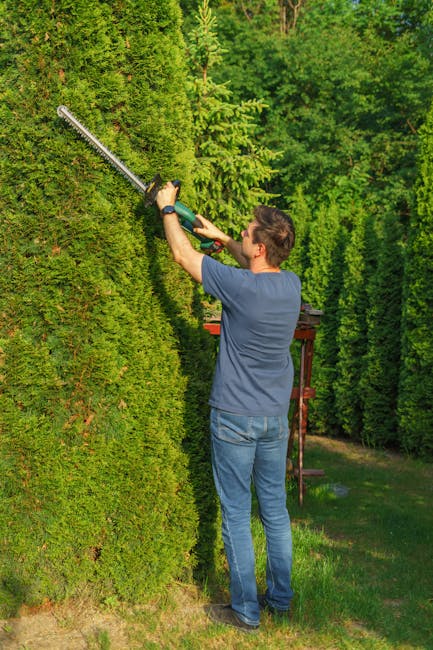
The tools you need depend on hedge size, density, and height. For smaller hedges, hand shears can give a clean finish and more control. For larger or denser hedges, powered trimmers save time and reduce strain. Some jobs also benefit from secateurs for selective cuts and a rake or tarp for easy collection.
Useful kit often includes:
- hedge shears for fine shaping
- hedge trimmer for longer runs and thicker growth
- secateurs for awkward stems and detail work
- gloves and eye protection
- sturdy footwear with good grip
- a dust sheet, tarp, or garden sacks for clippings
- ladder or platform only where genuinely needed and used safely
If you want to pair hedge work with broader garden upkeep, it can make sense to look at regular garden maintenance so trimming, lawn care, and seasonal tidying all happen in a sensible sequence. For larger, overgrown spaces, garden clearance may be the better first step before detailed hedge shaping.
Some gardens also benefit from a wider refresh. If you are planning a fuller outdoor improvement, services such as landscape gardening or broader landscaping can help bring the hedge into a more balanced overall design, rather than treating it as an isolated task.
For readers comparing upkeep options, it is also worth looking at the site's hedge trimming service details alongside services overview and pricing and quotes information. That makes it easier to judge whether your hedge needs a simple tidy, scheduled maintenance, or more involved work.
Law, Compliance, Standards, or Best Practice
For hedge trimming in the UK, the main compliance concerns are usually practical rather than bureaucratic, but they still matter. The big one is wildlife. If birds are nesting, hedge work should be paused or done with extreme care. It is not just a politeness issue; it is a responsible best-practice issue. In mixed residential streets around NW7, that check is especially worth doing in the active growing season.
You should also think about safety and access. If a hedge borders a pavement, drive, or shared boundary, trimming should be done so it does not create hazards for pedestrians or block visibility. Where taller work is involved, proper equipment and safe working methods matter much more than speed. A rushed cut from a wobbling ladder is not heroic. It is just a bad afternoon waiting to happen.
For professional work, residents often expect providers to have sensible insurance, a clear health and safety approach, and tidy waste handling. Those are not extras. They are part of basic professionalism. If you are hiring help, it is reasonable to ask about safety procedures, equipment condition, and how clippings will be removed or recycled. For reassurance, you can also review insurance and safety and the health and safety policy page.
Waste disposal is another practical point. Hedge cuttings can usually be composted, mulched, or collected for green waste handling depending on the volume and condition of the material. If sustainability matters to you, the site's recycling and sustainability information is a useful complement to the job itself.
Options, Methods, or Comparison Table
If you are deciding how to approach hedge trimming near Mill Hill Broadway Station NW7, the method matters almost as much as timing. Different approaches suit different hedge conditions.
| Method | Best for | Pros | Trade-offs |
|---|---|---|---|
| Light regular trim | Healthy, maintained hedges | Best shape control, less stress, easier upkeep | Needs consistency |
| Seasonal tidy-up | Moderately growing hedges | Quick visual improvement, manageable effort | May not solve deeper overgrowth |
| Staged reduction | Large or overgrown hedges | Safer for the plant, better long-term recovery | Takes longer |
| Renovation pruning | Very neglected hedges | Can restore structure over time | Requires care and patience |
For most regular domestic gardens, a light trim or seasonal tidy-up is the sweet spot. That keeps the hedge presentable without forcing it to recover from a major cut every time. If your hedge has become woody or top-heavy, staged reduction is usually the more sensible route. Slow and steady. A bit dull, but it works.
Case Study or Real-World Example
A common scenario in NW7 goes like this. A homeowner has a mixed boundary hedge near the front garden, not far from the station area, and it has pushed out over the path by early summer. From the road it looks only slightly untidy. From the front door, though, it feels like the hedge has quietly taken over the walkway.
Instead of cutting it heavily on a random free Saturday, the hedge is checked first: fresh growth is active, the sides are uneven, and a few birds have been moving in and out earlier in the week. So the job is split into two stages. First, a light trim to restore clearance and basic shape. Then, a later tidy when nesting activity has clearly passed and the hedge has had time to settle. The result is neater, safer, and far less stressful for the plant.
That approach sounds simple, and it is. But it is also where many gardens improve the most. Not with a heroic all-day overhaul. Just a calmer plan.
We see this a lot with busy households, especially where the hedge is part privacy, part boundary marker, part "please keep the garden looking respectable." A little timing discipline goes a long way.
Practical Checklist
Use this quick checklist before trimming:
- Have you identified the hedge type?
- Is the hedge actively growing, dormant, or between flushes?
- Have you checked for nesting birds or visible wildlife activity?
- Do you know whether you are shaping, reducing, or maintaining?
- Are your tools sharp, safe, and suitable for the job?
- Have you looked at weather conditions for the next few days?
- Will the hedge still look balanced after the cut?
- Do you have a plan for clippings and tidy-up?
- If the hedge is tall or near a boundary, is access safe?
- Would a professional tidy-up save time and reduce risk?
If you can answer yes to most of those, you are in decent shape. If not, pause and rethink. That little pause often saves the hedge, the schedule, and your mood.
Conclusion
Getting hedge trimming timing right near Mill Hill Broadway Station NW7 is really about combining plant care with day-to-day practicality. The right time depends on the hedge species, the season, the growth rate, and the way the hedge fits into your property. Trim lightly and regularly where possible, avoid hard cuts at awkward times, and always check for nesting or access issues before you start.
Near a busy, lived-in part of NW7, the best hedge jobs tend to be the ones that are planned rather than rushed. That gives you a cleaner finish, healthier regrowth, and far less hassle later on. Simple enough, but easy to get wrong if you only look at the hedge once it has already become a problem.
If you want help with a hedge that needs careful timing, tidy shaping, or a broader seasonal garden plan, the next step is straightforward.
Get a free quote today and see how much you can save.
Frequently Asked Questions
What is the best time of year for hedge trimming near Mill Hill Broadway Station NW7?
It depends on the hedge species and how fast it grows, but most hedges do best when trimmed after their main growth flush, with lighter touch-ups as needed. Avoid assuming one universal month works for everything.
Can I trim my hedge in spring?
Yes, but only if it suits the hedge type and you have checked for wildlife activity. Spring is often a time of active growth, so a light trim may be better than a heavy reduction.
Is summer a good time to trim hedges?
Often yes, especially for shaping and keeping a hedge tidy. Summer is usually a common maintenance window, though flowering hedges and nesting concerns still need consideration.
Should I avoid hedge trimming in autumn?
Not always, but late-season trimming can be less forgiving if cold weather arrives soon after. A gentle tidy may be fine, while a hard cut is usually better planned earlier.
How often should a hedge be trimmed?
Fast-growing hedges may need several light trims a year, while slower-growing types may only need one or two. The goal is consistency without overcutting.
What happens if I trim too much at once?
The hedge can look sparse, recover slowly, and sometimes develop bare patches. Severe cuts are harder on the plant, so staged trimming is often a safer choice.
Can hedge trimming affect privacy?
Yes. If you trim too hard or too low, you may lose screening temporarily. For privacy hedges, lighter maintenance is usually better than aggressive cutting.
Do I need to check for birds before trimming?
Yes. It is sensible and responsible to check for nesting activity before cutting, especially during active growing seasons. If nesting birds are present, pause the work.
What tools are best for hedge trimming?
For small hedges, hand shears and secateurs can give a neat finish. For larger or denser hedges, a hedge trimmer may be more practical, provided it is used safely.
How do I know if my hedge needs shaping or reduction?
If the hedge is generally healthy but uneven, shaping is usually enough. If it has become too wide, too tall, or woody, it may need staged reduction instead.
Can a professional help me choose the right timing?
Yes. An experienced gardener can assess the hedge species, current growth, and seasonal conditions, then recommend whether to trim now, wait, or split the work into stages.
Is hedge waste usually removed after trimming?
Often yes, if the service includes clearance or maintenance. It is sensible to ask in advance so you know whether clippings will be taken away, composted, or left for you to handle.